Newsletter Subscribe
Enter your email address below and subscribe to our newsletter



Children benefit greatly from reading morality tales because they learn empathy, consequences, and how to make wise decisions. Children learn to think critically and apply lessons to their own lives from these stories. Children are better able to retain teachings and apply them to their own experiences thanks to the tale format.
Good morals refer to a set of beliefs and values that guide a person’s behavior and decision-making. These beliefs and values are typically considered to be positive and beneficial to both the individual and society as a whole. Good morals often include traits such as honesty, empathy, fairness, and responsibility.
A short story is a great way to introduce kids to different characters, settings and plots. It is also a great way to teach kids about good values, such as kindness and respect. Reading these stories together can be a fun and interactive way to bond with your kids while teaching them valuable life lessons. These short stories in English for kids can also be used as a jumping off point for deeper conversations on the topics of morality, justice and right and wrong. So not only will your kids enjoy the stories, but they will be learning important lessons too!

1) Short Story: The Boy Who Cried Wolf
Once upon a time there was a young shepherd boy who lived in a small village near the hills. He was often bored and lonely and so he would amuse himself by playing pranks on the villagers. One day, he decided to have some fun by crying out “Wolf! Wolf! The wolf is coming!” The villagers, believing the boy, ran up the hill to drive the wolf away.
But when they got there, they found nothing. The boy had been lying. The villagers were angry and scolded him for his prank. But the boy didn’t listen and soon he was doing it again.
One day, when the boy was out tending his flock, a wolf really did appear. He cried out, “Wolf! Wolf!” But this time, no one came to help him. The villagers had had enough of his tricks and refused to believe him.
The wolf quickly chased the sheep away, leaving the boy alone and frightened. But it was too late to cry for help. The wolf had gone and the boy was left with no one to turn to. He had learned a hard lesson about the consequences of lying.
From then on, the boy was more honest and thoughtful. He no longer played pranks on anyone
The moral of The Boy Who Cried Wolf is: Even if you are telling the truth, lying destroys trust because no one believes a liar.

2) Short Story: Controlling Your Anger
Once, there was a young boy who had difficulty controlling his anger. Whenever he got angry, he would blurt out whatever was on his mind, regardless of how it may have hurt those around him.
His father gave him a hammer and some nails, telling him that whenever he got angry he should hammer a nail into the backyard fence. Initially he used up half of the nails in the first few days, but eventually he was able to reduce his usage until his temper was under control.
His father then asked him to remove one nail for each day he didn’t lose his temper. When he had removed the last nail, his father said to him, “You’ve done well, but can you see the holes in the wall? The fence will never be the same. Just like that, when you say mean things in anger, you’ll leave a scar.”
The moral of the Controller Anger story is: Anger is one of the most harmful weapons, similar to a knife. The wounds will mend after using it, but the scars will endure.

3) Short Story: The Fox and the Grapes
One day, a hungry fox went searching for food. He looked everywhere but couldn’t find anything to eat. Then he saw a farmer’s wall with the most delicious-looking grapes on top. The grapes were big, juicy and purple.
The fox had to jump really high in the air to try and catch the grapes with his mouth. But no matter how hard he tried, he couldn’t reach them. So eventually he gave up and decided the grapes must have been sour anyway.
The moral of The Fox and the Grapes story is: Don’t be discouraged when you can’t get something right away; nothing worth having comes without effort.

4) Short Story: The Proud Rose
Once Upon a Time, in a distant desert, there was a Rose who was extravagant in her admiration of her own beauty. She was so proud of her appearance that she would constantly slander the poor Cactus that grew beside her, whose only fault was its ugliness in comparison to the Rose. Despite the other plants in the area trying to reason with the Rose, she was too consumed with her vanity to take their advice.
On one scorching summer day, the desert began to dry up, leaving no water for the plants. The Rose’s beauty began to fade as her petals wilted, losing their color. The Rose noticed a Sparrow drinking from the Cactus and, despite her shame, mustered the courage to ask the Cactus for water. To her surprise, the Cactus readily agreed, and the two plants made it through the summer together as friends.
The moral of The Proud Rose story is: Don’t judge anyone by how they appear.

5) Short Story: The Wise Old Owl
The wise old owl who perched atop the grand oak tree saw many things every day. He watched a young boy help an elderly man carry a heavy basket, and a young girl yelling at her mother. As he observed these events, he kept his beak shut and his ears open.
As time went on, the owl heard more and more conversations and stories. He heard a woman tell a story about an elephant that jumped a fence, and a man brag about never making a mistake. The old owl saw the world around him, and knew that some people improved while others got worse. But no matter what he saw, he only grew wiser with each passing day.
The moral of The Wise Old Owl is: By being more observant and speaking less while listening more, we can become wise. Taking in our surroundings and really listening to what others have to say can help us to gain knowledge and insight. Paying attention to the details can give us a better understanding of the world and help us to make wise decisions.

6) Short Story: The Golden Touch
Once, in a small town, there lived a greedy man. He was very wealthy and loved all things fancy, particularly gold.
But his daughter was the most important thing to him.
One day, he stumbled upon a fairy whose hair was tangled in some tree branches. He helped her, but his greed took over and he realized he could become even richer by asking for a wish in return. The fairy granted him his wish, and he said, “I want everything I touch to turn to gold.”
The fairy granted his wish, and the greedy man rushed home to tell his wife and daughter about it.
As he touched various objects on his way home, they turned to gold.
When he finally arrived home, his daughter ran to greet him. But as soon as he picked her up, she turned into a gold statue.
The man was devastated and spent the rest of his days searching for the fairy to take away his wish. He realized the error of his ways and regretted his greed.
The moral of The Golden Touch story is: Greed inevitably leads to a downfall.

7) Short Story: When Adversity Knocks
Asha lived with her parents in a village. One day, her father gave her a simple task. He took three vessels filled with boiling water and placed an egg, a potato, and some tea leaves in each. He asked Asha to watch the vessels for ten to fifteen minutes while the ingredients boiled. After the allotted time, he asked her to peel the potato and egg and strain the tea leaves. Asha didn’t understand the point of the task, but her father explained that the three items had been placed in the same circumstances and had responded differently. The potato became soft, the egg became hard, and the tea leaves changed the color and taste of the water. He explained that when adversity strikes, people respond in different ways. He asked Asla if she was like a potato, an egg, or tea leaves.
The moral of When Adversity Knocks story is: People react differently to adversity.

8) Short Story: The King Who Loved to Hunt
There once was a king who loved to hunt. He would go out every day to hunt wild animals, but no matter how hard he tried, he never caught anything. One day, an old man came to the palace and offered to teach the king how to hunt. The king was skeptical, but he agreed. The old man taught the king to listen to the animals and understand their movements. The next day, the king went hunting and caught many animals.
The moral of The King Who Loved to Hunt story is: Listening and understanding can be more effective than brute force.
9) Short Story: The Farmer and the Donkey
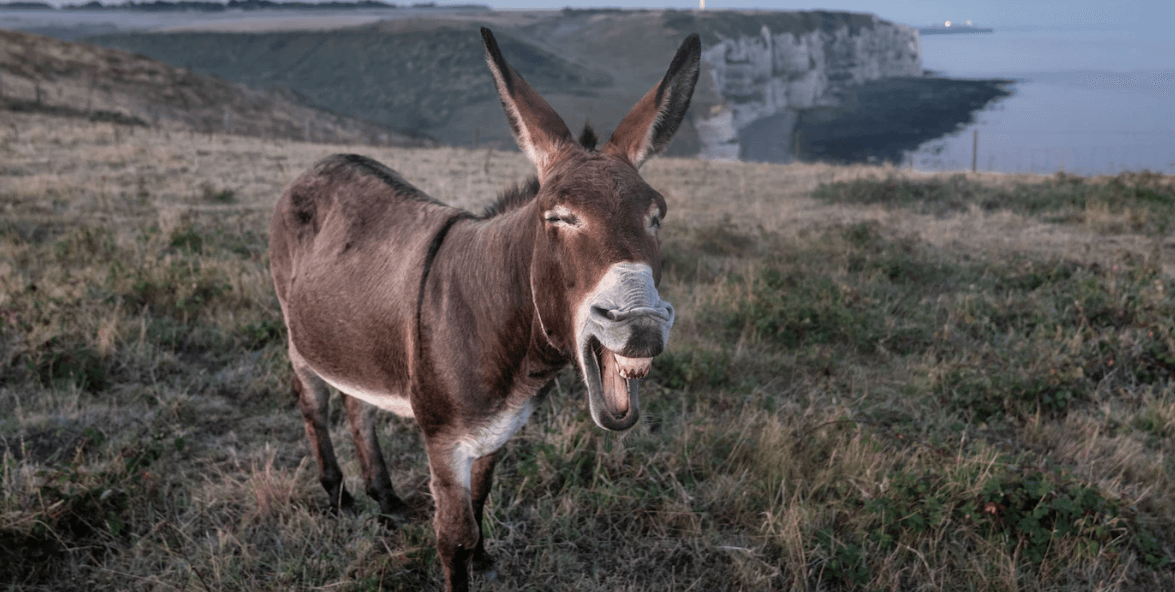
There was once a farmer who had a donkey that he used to carry his crops to the market. One day, the farmer’s neighbor saw the donkey and asked if he could borrow it. The farmer agreed, but the neighbor returned the donkey the next day with its ears cut off. The farmer was angry, but he didn’t say anything. A few days later, the neighbor asked to borrow the donkey again, and the farmer agreed. This time, the neighbor returned the donkey with its tail cut off. The farmer was furious and confronted the neighbor, who apologized and explained that he had been cutting the donkey’s ears and tail to make it look more attractive.
The moral of The Farmer and the Donkey story is: Appearances can be deceiving and can cause harm.

10) Short Story: The Ant and the Grasshopper
In a meadow, there lived an ant and a grasshopper. The grasshopper spent his days singing and playing, while the ant worked hard every day, gathering food for the winter. The grasshopper mocked the ant for his hard work and urged him to join him in having fun.
But the ant ignored the grasshopper and continued to work. When winter came, the ant had stored enough food to last the season. The grasshopper, however, had nothing and was forced to beg the ant for food. The ant shared his food with the grasshopper, but warned him to prepare for the future.
The moral of The Ant and the Grasshopper story is: Prepare for the future and not being wasteful.

11) Short Story: The Tortoise and the Hare
Once upon a time, a hare boasted about how fast he could run. A tortoise, tired of being made fun of for his slow speed, challenged the hare to a race. The hare, confident in his abilities, agreed.
On the day of the race, the hare ran ahead and soon disappeared from view. He became so confident in his victory that he took a nap halfway through the race. Meanwhile, the tortoise continued at his steady pace and eventually passed the sleeping hare.
The hare woke up and rushed to the finish line, but it was too late. The tortoise had already won the race.
The moral of The Tortoise and the Hare story is: Slow and steady wins the race.

12) Short Story: The Ugly Duckling
A duckling is born in a barnyard and is ridiculed by the other animals for being different. The duckling is bigger and uglier than the other ducklings, and is constantly bullied and rejected.
The duckling leaves the barnyard and wanders into the forest, where he meets other animals who also reject him. He spends a miserable winter alone and cold, until he meets a kind old woman who takes him in and cares for him.
In the spring, the duckling grows into a beautiful swan. He realizes that he was never truly an ugly duckling, but was simply different from the other animals. He reunites with his family and is finally accepted and loved for who he is.
The moral of The Ugly Duckling story is: Inner beauty is more important than outward appearances, and that everyone has unique strengths and qualities that make them special.

13) Short Story: The Lion and the Mouse
A lion captures a mouse and plans to eat it. The mouse begs for its life and promises to return the favor if the lion lets it go. The lion, amused, agrees and lets the mouse go.
Later, the lion gets caught in a hunter’s net. The mouse, remembering its promise, comes to the lion’s rescue and gnaws through the net, freeing the lion. The lion is surprised and grateful, and learns that even the smallest act of kindness can have a big impact.
The moral of The Ugly Duckling story is: Kindness is always rewarded, and that everyone has the potential to help others, regardless of their size or strength.

14) Short Story: The Little Red Hen
A hen lives on a farm with other animals. She finds a grain of wheat and decides to plant it and make bread. She asks the other animals for help, but they all refuse, saying that it’s not their job.
The little red hen plants the wheat, tends to it, and harvests it herself. She then grinds the wheat into flour and makes bread. When the bread is ready, she asks the other animals again if they want to help her eat it. Again, they refuse. The little red hen eats the bread herself, happy to have accomplished the task on her own.
The moral of The Little Red Hen story is: Hard work and responsibility lead to success, and that everyone should do their fair share of work.

15) Short Story: The Girl in the Magical Forest
Once upon a time, in a magical forest, there lived a young girl named Lily. Lily loved to explore the forest and learn about its secrets. One day, while wandering through the forest, she came across a beautiful, golden apple hanging from a tree.
Lily was tempted to take the apple, but she remembered her mother’s words: “Only take what you need, and leave the rest for others to enjoy.” So, Lily decided to leave the apple where it was and continued on her journey.
As she walked, she came across a group of animals who were in distress. A wicked witch had cast a spell on them, turning them into stone statues. Lily, being kind and brave, used her knowledge of the forest to find the ingredients for a magic potion that could break the spell.
She gathered the ingredients and brewed the potion, and the animals were restored to their normal selves. They thanked Lily for her help and promised to be her friends forever.
The moral of The Girl in the Magical Forest story is: Kindness and respect for nature can help us overcome challenges and make lasting friendships.

16) Short Story: King Klutz
Once upon a time, in a far-off land, there lived a clumsy king named King Klutz. King Klutz was known for his klutzy ways, and he often tripped over his own feet and dropped things. Despite his clumsiness, King Klutz was a kind and fair ruler, and his people loved him.
One day, King Klutz was hosting a royal banquet in his castle. The guests arrived and were seated at the long banquet table, but before the feast could begin, King Klutz tripped over his own feet and knocked over a jug of wine. The wine spilled all over the table and onto the guests.
The guests were shocked and angry, but King Klutz, being the kind and gracious host that he was, apologized profusely and offered to pay for any damages. The guests, seeing how genuine and sincere King Klutz was, forgave him and the banquet continued without any further mishaps.
The moral of the King Klutz story is: We all make mistakes, sincere apologies and kindness can help us recover from them.

17) Short Story: The Yawning Man
A little man who lived in a small village. He had a problem: he could not stop yawning. He yawned all day, every day, no matter what he did.
The little man was embarrassed and frustrated by his constant yawning. He tried everything he could think of to stop it, but nothing worked. He was about to give up hope when he met an old wise man who gave him some advice.
The old wise man told the little man that his constant yawning was not a problem, but a gift. He said that yawning was a sign that the little man was curious and open to new experiences. He advised the little man to embrace his yawning and use it to explore the world and learn new things.
The little man took the old wise man’s advice and began to see his yawning in a new light. He started to explore the world around him and learn new things. He found that his yawning made him more curious and adventurous, and he was happier than he had ever been before.
The moral of The Yawning Man story is: Sometimes what we see as a problem can actually be a gift if we look at it in a different way.

18) Short Story: The Rainbow Crow
A beautiful bird named Rainbow Crow lived in the forest with the other animals. Rainbow Crow was known for his beautiful feathers and his sweet, melodic voice.
One day, the forest caught fire and the animals were in danger. Rainbow Crow flew to the top of the tallest tree and called out to the Great Spirit for help. The Great Spirit answered his call and sent a gentle rain to put out the fire.
Rainbow Crow was grateful, but he also knew that he had sacrificed his beautiful feathers and his sweet voice to save the forest. The other animals thanked him for his bravery and selflessness, and Rainbow Crow learned that helping others is more important than personal appearance or talents.
The moral of The Rainbow Crow story is: Selflessness and sacrifice can lead to great rewards.

19) Short Story: The Emu and the Lyrebird
An emu and a lyrebird were friends. The emu was known for his strength and speed, while the lyrebird was known for his beautiful singing.
One day, the emu and the lyrebird were out for a walk when they came across a dangerous snake. The snake was about to attack the emu when the lyrebird sang a beautiful song that distracted the snake and allowed the emu to escape.
The emu was grateful and thanked the lyrebird for saving his life. The lyrebird, humble as always, said that it was his pleasure and that the emu would have done the same for him. The emu and the lyrebird learned that true friendship is based on mutual respect and support.
The moral of the story is that true friends are always there for each other, and that everyone has unique strengths and talents that can help others.
The moral of The Emu and the Lyrebird story is: True friends are always there for each other, and that everyone has unique strengths and talents that can help others.

20) Short Story: The Wolf and the Seven Little Goats
A mother goat has seven little goats. She must leave them home alone while she goes out to find food, so she warns them to be careful and not to let anyone in.
While the mother goat is away, a wolf comes to the door and tries to trick the little goats into opening the door and letting him in. The little goats, remembering their mother’s warning, refuse to open the door. The wolf gets angry and tries to break down the door, but the little goats are able to hold it shut.
The mother goat returns and sees the wolf trying to break down the door. She uses her clever wit to trick the wolf into falling into a pit and captures him. The little goats are safe, and they learn the importance of listening to their mother and being careful.
The moral of The Wolf and the Seven Little Goats story is: Listening to advice and being cautious can protect us from danger.

21) Short Story: The Brave Little Tailor
A tailor is known for his skill and bravery. One day, he receives a message from the king, asking him to defeat a giant who has been terrorizing the kingdom.
The tailor, being brave and clever, devises a plan to defeat the giant. He makes a giant-sized suit of armor and fills it with rocks, so that it looks like a real giant. He then puts on the suit and goes to confront the real giant.
The giant, seeing the “giant” approaching, is scared and runs away. The tailor is hailed as a hero and is rewarded by the king. The tailor learns that bravery and cleverness can overcome even the biggest challenges.
The moral of The Brave Little Tailor story is: Courage and intelligence are powerful tools that can help us overcome obstacles and achieve our goals.